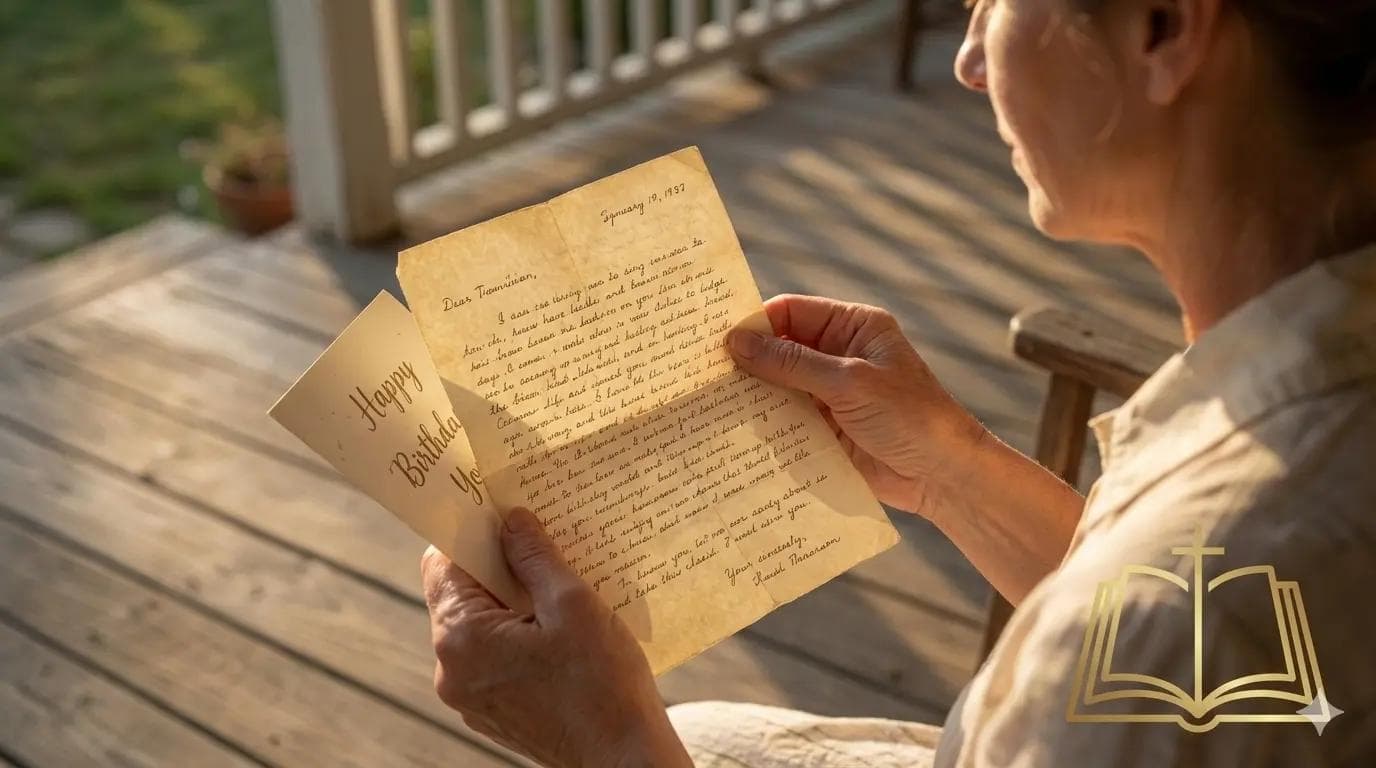
For forty years as an accountant in Dayton, Ohio, I lived my life by the ledger: minimize liability, maximize stability, and never invest without a guaranteed return. So, when my pastor at Grace Community Church announced a construction mission to Xenacoj, Guatemala, scheduled for June 2023, my internal risk assessment immediately flagged the idea as reckless. At 70 years old, my physical assets were depreciating. I have spinal stenosis in my lower lumbar and osteoarthritis in both knees that serves as a better barometer than the local weather station. The flyer asked for "able-bodied laborers." I was a man who required a specialized memory-foam mattress and a strict regimen of Celebrex just to navigate the stairs to my bedroom.
Logically, I should have written a check. That is the safe, "senior" contribution. But for weeks, the variables wouldn't balance. I felt a persistent, illogical deficit in my spirit that no amount of comfort could fill. I tried to negotiate with God using a spreadsheet of excuses:
- The Physical Risk: Navigating unpaved terrain with bad knees.
- The Liability: Slowing down a team of 20-somethings.
- The Comfort Cost: Sleeping on a cot in humid conditions.
Despite the data pointing toward "Stay Home," I signed the waiver. My preparation wasn't spiritual; it was logistical. I packed as if I were going to war against my own body: heavy-duty knee braces, a supply of Lidocaine patches, my lumbar support pillow, and enough ibuprofen to stock a small pharmacy. When I boarded that plane, surrounded by college students from Cedarville University who were vibrating with energy, I didn't feel holy. I felt like a potential operational hazard.
Section 2: Asset Deprecation and the Humility of Inability
We arrived in Santo Domingo Xenacoj on a Tuesday. The altitude - roughly 6,000 feet - hit me harder than the heat. The project was expanding a local primary school, specifically hauling cinder blocks up a steep, volcanic-dust incline to the mixing site. Within the first hour of day one, the reality of my physical insolvency became undeniable. The young men on our team formed a bucket line, their muscles firing efficiently, sweat glistening but their energy reserves high. I stepped in, grabbed a single cinder block, and felt a sharp, familiar shearing pain shoot through my L4 vertebrae.
I was done before lunch.
While the team continued to pour the foundation, I was relegated to the sidelines, sitting on a jagged wooden bench, wiping dust off my glasses. In accounting terms, I was a sunk cost. I sat there watching the efficiency of the youth, feeling a profound sense of shame. I had come to build, to be useful, to earn my keep in the Kingdom. Instead, I was taking up space. It was then that I shifted my focus from the construction site to the perimeter. Sitting on the porches of the surrounding adobe homes were the locals - specifically, the elderly men of the village. They weren't watching the construction with the awe of the children; they were watching with the measured gaze of survival. They were the Abuelos. I noticed the younger American volunteers were too intimidated to approach them, paralyzed by the language barrier and the cultural gap. I looked at my useless hands, then at the men on the porch. I grabbed my water bottle and limped over.
Section 3: Reevaluating the ROI of Presence
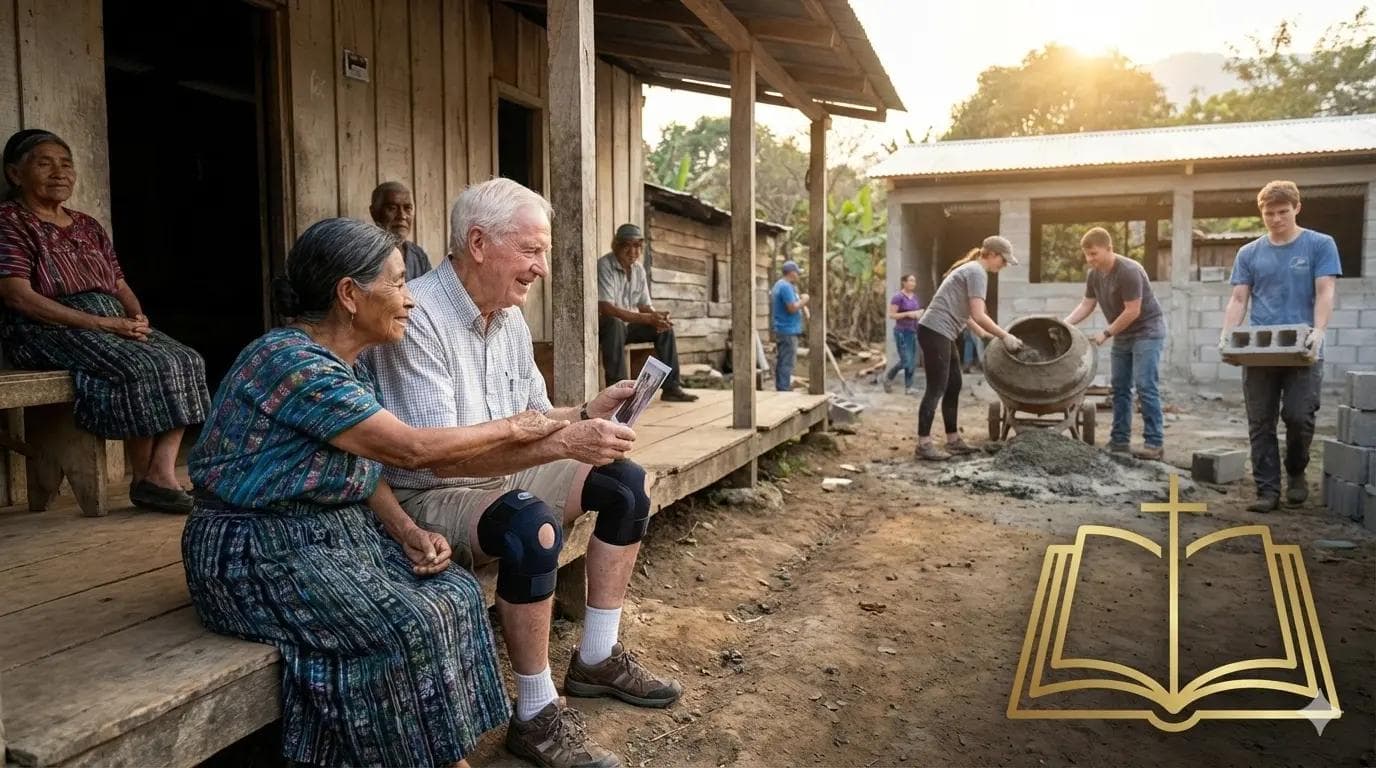
I sat down next to a man named Mateo. He was perhaps 75, his face a topographical map of deep wrinkles, wearing a faded hat and leaning on a cane carved from coffee wood. We didn't speak the same language - he spoke a mix of Spanish and Kaqchikel, and I barely remembered high school Spanish - but he looked at my knee braces, then tapped his own swollen knuckles, and laughed. It was a universal acknowledgement of hardware failure. In that moment, the transaction changed. In the US, my age often feels like a liability; a signal of irrelevance in a fast-paced market. But in Xenacoj, age is an asset. It signifies survival, wisdom, and authority.
For the next five days, I didn't lift a single brick. Instead, I managed the "relationship accounts."
- The Connection: I showed Mateo and the other elders photos of my grandkids in Ohio; they showed me photos of their families in the highlands.
- The Ministry: I realized the young team could build walls, but they couldn't build trust with the patriarchs. That required a peer.
- The Prayer: We prayed together - me in English, them in Kaqchikel - holding hands that were equally arthritic.
By Friday, the "useless" accountant was the only one invited into Mateo's home for coffee. I realized I had been using the wrong metrics to measure my value. God didn't need my muscle; He has plenty of strong backs. He needed my years. He needed someone who could sit still, endure the ache, and look another grandfather in the eye to say, "I see you." I returned to Ohio with my back still hurting, but my spiritual ledger had never been more in the black. Usefulness, I learned, isn't about capacity; it's about availability.